Table Of Content

"Minoxidil helps by keeping the hair in the strongest part of the hair cycle to improve the overall thickness of the hair," says Cohen. "This can be very safe and very effective for women with hair loss." Post-menopausal women typically experience thinning hair, says Alexander Zuriarrain, MD, a double board-certified plastic surgeon with Zuri Plastic Surgery. While research has found a strong link between hair loss in men and the AR gene on the "X" chromosome, researchers have yet to isolate a specific gene for hair loss in women. However, Cohen says it can be a sign of an underlying medical condition that does present health risks, such as hypothyroidism. You will likely have some pain for a couple of days following the procedure.
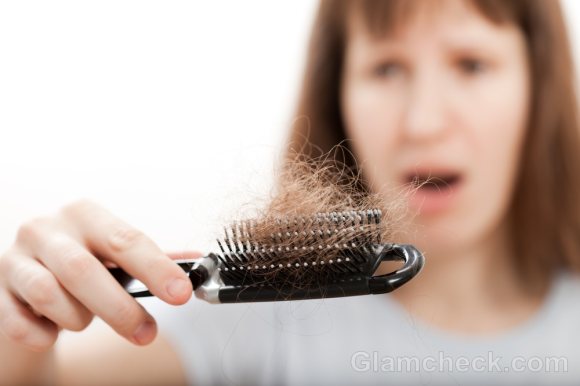
What causes alopecia?

If you need help finding a primary care doctor, then check out our FindCare tool here. It is worth noting that this method is unlikely to benefit or help people with scarring alopecias. Traction alopecia results from too much pressure and tension on the hair, often from wearing it in tight styles, like braids, ponytails, or buns. For the purposes of this article, we use “male” and “female” to refer to a person’s sex assigned at birth. Hair loss is one of the most common side effects of chemotherapy.
Hair loss symptoms
Women typically see hair loss related to hair products more often than men. If done improperly and with the wrong products, chemical hair curling, bleaching, relaxation treatments, coloring, or perming can cause hair loss. Though hair loss can’t always be reversed, knowing what’s at the root of hair loss is critical in managing it. This article discusses factors that lead to thinning hair or bald spots, who’s at risk, and how to treat it. People may experience hair loss while using birth control pills.
Symptoms Of Hair Loss In Women
Female pattern hair loss can start just about any point in a women’s life, and thinning can peak around the time of menopause. For women experiencing female pattern baldness, hair loss is usually noticed first with a gradual thinning at the part line and at the crown. For other types of alopecia, however, hair loss may present as random bald spots, sudden extreme shedding, or a receding hairline. If you experience female pattern hair loss, it’s a good idea to mention it to your doctor, who can refer you to a dermatologist. Dermatologists are specifically trained in the diagnosis and treatment of hair, skin and nail conditions, including hair loss.
16 Best Hair Growth Shampoos, Tested & Reviewed by Experts 2024 - ELLE
16 Best Hair Growth Shampoos, Tested & Reviewed by Experts 2024.
Posted: Fri, 19 Apr 2024 07:00:00 GMT [source]
Some people prefer to let their hair loss run its course untreated and unhidden. Others may cover it up with hairstyles, makeup, hats or scarves. And still others choose one of the treatments available to prevent further hair loss or restore growth. Corticosteroids, such as hydrocortisone and prednisone, are commonly prescribed (topically, orally, or through injections) to both alleviate inflammation and curb the autoimmune response.
Addressing shortfalls through diet and supplements: Does it help hair growth?
A lot of different things contribute to hair loss, also known as alopecia, in women. The most common causes of sudden rapid hair loss, or telogen effluvium (TE), are stress and fluctuating hormones, especially after pregnancy. Hair might also fall out after a major illness or injury, but the shedding usually doesn’t happen until a few months later, regardless of the trigger. Female pattern hair loss is also very common and is hereditary. It’s more prevalent after menopause because hormones sometimes play a role.
Why You're Losing More Hair and the New Science to Help Regrow It - Oprah Mag
Why You're Losing More Hair and the New Science to Help Regrow It.
Posted: Mon, 11 Sep 2023 07:00:00 GMT [source]
Other vitamins and minerals may also play a role in hair loss. People can speak with a healthcare professional to determine whether they have a vitamin deficiency that may be causing hair loss. A 2018 review suggests that a vitamin D deficiency may link to hair loss. The authors also suggest that to help prevent hair loss, people low in iron would benefit from iron supplementation and making sure they get enough vitamin C. If a person thinks that hair loss may be due to a medication, they can consult a doctor for an assessment. The doctor might reduce the dosage or switch the person to a different medication.
Your clinician might prescribe anti-inflammatory medications, like corticosteroids, if hair loss seems related to an autoimmune condition. Tinea capitis, also called ringworm of the scalp, is a fungal infection that can affect the scalp and hair shaft. Over time, if not treated early, the size of the patch or patches will increase and fill with pus.
Why am I losing my hair and can I stop it?
This is true for damaged hair follicles from too-tight hairstyles, damaged hair follicles from chemicals applied to the hair, and damages caused by certain autoimmune diseases. When you start to shed more strands — and fewer or none grow back — the condition is considered alopecia (hair loss). There are several types of hair loss, and it can affect adults of any gender and even children. You may lose hair just on your head or from your body as well.
And any medical conditions that lead to hair loss should be treated directly to address the condition, not just its symptoms. Androgenetic alopecia can occur at any age after puberty, but it’s most common in postmenopausal women. Advancing age and a family history of the condition are two of the primary risk factors. Below, we’ll explore common causes of hair loss in women and the treatment options available. This article will focus primarily on hair loss in cis women. The information in this article will also apply to you if you were assigned female at birth and have never had hormone replacement therapy (HRT).
If traction alopecia continues, a person may develop patches of hair loss and thinning of the hair. Certainly when those testosterone levels rise, DHT is even more of a problem. DHT levels can be elevated and be within what doctors consider "normal range" on a blood test, but they may be high enough to cause a problem. The levels may not rise at all and still be a problem if you have the kind of body chemistry that is overly sensitive to even regular levels of chemicals, including hormones. Free to everyone, these materials teach young people about common skin conditions, which can prevent misunderstanding and bullying.


No comments:
Post a Comment